
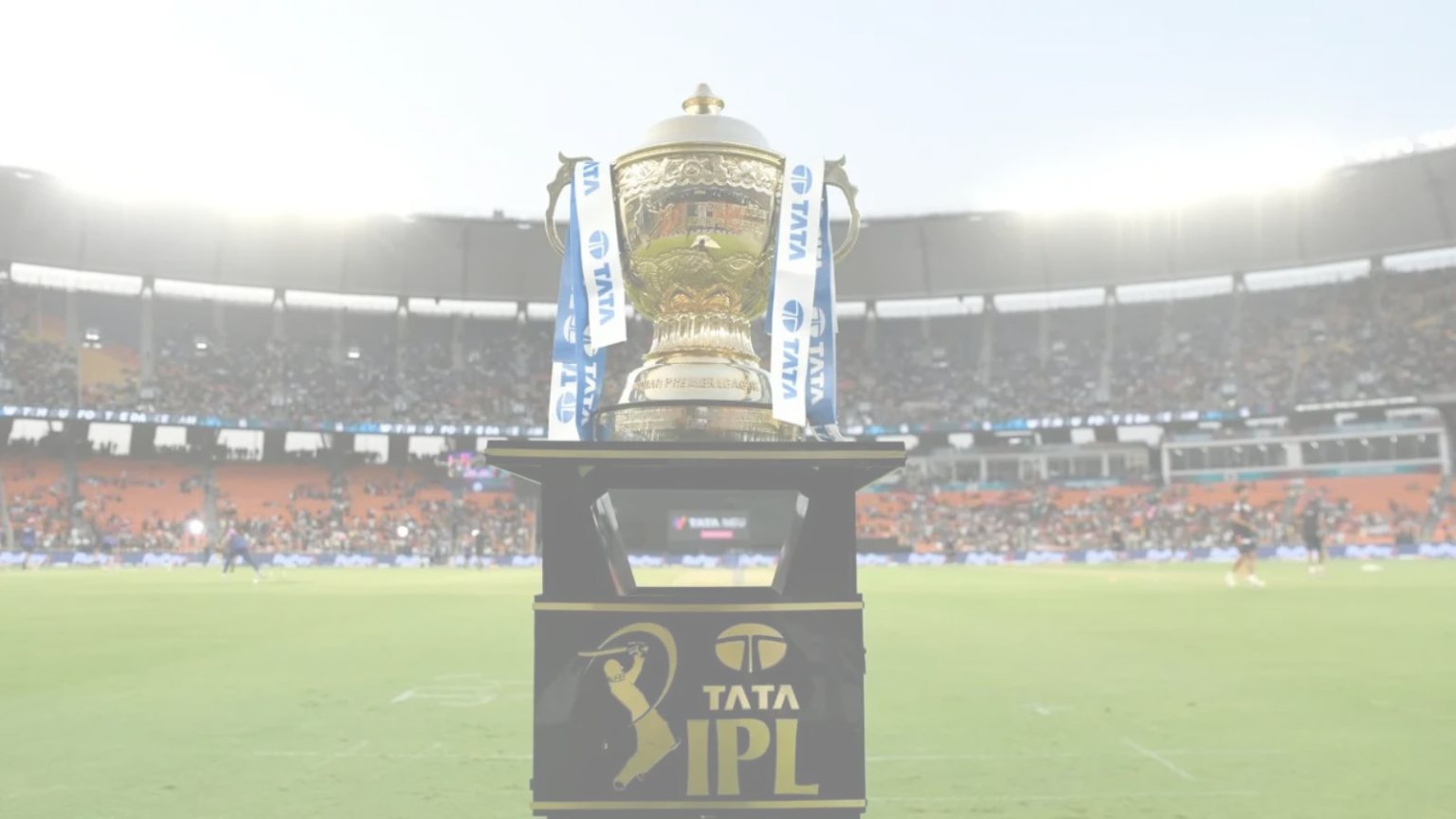
For much of its 18-year history, the Indian Premier League (IPL) has been measured by television ratings, sponsorship deals and player auctions. Today, however, conversations around the league are increasingly taking place in investment committees, boardrooms and private equity firms.
The latest Houlihan Lokey IPL Valuation Study 2026 values the league’s business at US$20.6 billion, with its brand value rising to US$4.3 billion following the 2026 season. While those figures reinforce the IPL’s position as one of the world’s most valuable sporting properties, the report’s more significant takeaway lies elsewhere: the league has evolved from a successful cricket tournament into a mature sports investment platform attracting institutional capital and global strategic investors.
That transition has become increasingly visible through recent franchise transactions. Interest in Royal Challengers Bengaluru and Rajasthan Royals came not only from traditional sports investors but also from international institutions and corporate buyers, reflecting growing confidence in the IPL as a long-term asset class rather than a seasonal sporting competition.
Satyan Gajwani, Vice Chairman of The Times Group and Co-owner of Royal Challengers Bengaluru, said, “The way people look at IPL franchises has changed completely. They’re no longer seen as cricket teams that play for two months every year. They’re increasingly being viewed as long-term sports and entertainment businesses, and I think that’s exactly how they should be viewed. The numbers speak for themselves. In less than two months, the IPL delivers extraordinary audiences, sponsorship value, and fan engagement. On a per-match basis, its media rights already compare with some of the biggest leagues in world sport, and that’s remarkable for a competition that’s only 18 years old; the NFL is over a hundred, the NBA close to eighty. Put next to that, where we already stand is remarkable.”
That changing perception is rooted in the league’s business model. Unlike many football clubs across Europe, IPL franchises operate within a centralised commercial ecosystem where media-rights revenues are pooled and distributed, player costs are regulated through a salary cap, and the number of franchises remains tightly controlled. According to Houlihan Lokey, nearly three-quarters of franchise revenues are secured before the season begins through central distributions, creating a level of revenue visibility rarely found elsewhere in global sport.
Scarcity has become another defining characteristic of the league’s investment proposition. With only ten franchises and no immediate expansion on the horizon, demand for ownership opportunities continues to outpace supply. Combined with India’s growing consumer economy and cricket’s unrivalled popularity, that scarcity has fundamentally altered how investors value IPL teams.
Few people understand that evolution better than Punjab Kings co-owner Ness Wadia, one of the league’s original franchise owners.
Reflecting on Punjab Kings’ investment in 2008, Mr Wadia recalled that the ownership group never viewed the league as a quick commercial return.
“We always knew this wasn’t going to be a short-term play. Building a sporting institution takes time, patience and conviction. We believed that if we got the fundamentals right, the financial returns would eventually follow.”
That long-term philosophy has been rewarded as franchise valuations have climbed steadily over the past decade. Yet Mr Wadia believes investors should look well beyond today’s headline numbers.
“People have been saying IPL valuations are too high for nearly 20 years. Yet, every few years, the league reaches another level that very few expected. Look at the NBA, where franchises have sold for close to US$10 billion and continue to attract global capital. Sports assets simply don’t get priced the way conventional businesses do. For me, you have to look beyond today’s earnings. You have to look at the strength of the brand, the scarcity of the asset, and where Indian sport is likely to be over the next decade or two. That’s how we’ve always looked at it.”
The report echoes that optimism when assessing the IPL’s next media-rights cycle.
Houlihan Lokey projects that rights for the 2028–2032 cycle could command US$10-12 billion, underpinned by sustained audience growth, increasing smartphone penetration, digital consumption and the league’s consistent ability to command premium advertising demand.
However, both the report and franchise owners believe broadcast revenues represent only part of the next growth chapter.
“The biggest opportunity lies outside the playing window,” Mr Gajwani said. Merchandise, licensing, original content, digital engagement, and international partnerships can all become much larger businesses over the next decade. That’s where I see the next wave of value being created.“
Mr Wadia shares a similar outlook, particularly around direct fan engagement.
“Three years from now, I don’t think content, merchandise, digital platforms, and fan engagement will exist as separate businesses. They’ll all be connected. Someone might watch our content, attend a match, buy merchandise, interact with us digitally, and remain engaged throughout the year. That’s the ecosystem every franchise should be trying to build.”
That thinking reflects a broader shift taking place across global sport, where teams are increasingly positioning themselves as year-round entertainment and media brands rather than organisations defined solely by matchdays.
Perhaps that explains why the latest valuation report spends as much time discussing ownership structures, revenue models and institutional capital as it does cricket itself.
The IPL is no longer being assessed purely on trophies or television ratings. Investors are evaluating it on the same fundamentals that underpin some of the world’s most valuable sports businesses: recurring revenues, limited supply, consumer loyalty, scalable intellectual property and long-term commercial resilience.
Eighteen years after the league’s launch, the headline valuation may grab attention. But the bigger story is that the IPL has reached a stage where global investors increasingly view it not simply as cricket’s premier competition, but as one of the world’s most compelling sports business assets.